

If your institution is rethinking the role of alumni, whether in education or corporate environments, we invite you to begin a conversation with Universal Admedia. Whether the goal is to strengthen engagement, activate corporate or educational alumni ecosystems, develop modern content strategies, build strategic partnerships, or transform networks into engines of business and innovation, our team brings nearly two decades of experience in brand development, storytelling, and ecosystem design.The value already exists within your network.It simply needs to be activated with fresh eyes.The next chapter of alumni engagement is not about looking back. It is about building forward.Universal Admedia Contact
Every institution celebrates its alumni.
Few truly understand what they represent.
Across the world, universities proudly publish lists of distinguished graduates, host annual reunions, organize fundraising campaigns, and mark milestone anniversaries. At the same time, corporations quietly maintain their own alumni ecosystems, former employees who go on to become founders, executives, investors, advisors, and industry leaders. While these two worlds are often treated separately, they are increasingly defined by the same underlying truth: alumni networks are not symbolic communities. They are economic systems hiding in plain sight.
Alumni networks are not simply groups of former students or employees. They are living economies. They are ecosystems of entrepreneurs, executives, investors, creatives, policymakers, researchers, and innovators whose collective influence extends far beyond the institutions they once belonged to, whether those institutions are universities, global corporations, or legacy organizations. The question is no longer whether these networks are valuable. The question is why so few institutions know how to activate them at scale.
At Universal Admedia, we believe the answer lies in rethinking the very purpose of alumni engagement across both education and corporate environments. Over the past eighteen years, our work has focused on building brands across industries, and increasingly that experience has extended into alumni ecosystems spanning eight educational and corporate institutions across Africa and the United States. What has become clear is simple but overlooked: some of the most powerful networks in the world are already built, but remain structurally underutilized.


The Timing Advantage Across Institutions
One of the most important yet least understood advantages of alumni networks is timing. In universities, alumni relationships are formed during early stages of identity formation, when ambition, curiosity, and personal development are still taking shape. In corporate environments, those relationships are formed during periods of professional acceleration, where execution, exposure, and industry experience shape future direction. In both cases, the connection is established before individuals fully define their long-term trajectory.
This creates a rare form of trust. These are relationships that are not built through transaction or convenience, but through shared environments that shape perspective and opportunity. When intentionally nurtured, they become bridges that connect industries, geographies, and generations.
Imagine a university graduate now leading a multinational corporation collaborating with a former classmate who has become a startup founder. Or a former corporate employee turned investor funding ventures led by past colleagues. Or even both ecosystems intersecting, where educational alumni and corporate alumni collaborate across capital, innovation, and enterprise. These relationships already carry a shared foundation. They were formed within the same institutional identity.
Yet despite this inherent advantage, most alumni systems remain limited to networking events, annual gatherings, and static directories. The relationships exist. The potential exists. But the activation does not.
The Legacy Trap in Both Education and Corporate Systems
Both universities and corporations face a similar structural challenge. While their intentions are strong, their operating models are often anchored in legacy systems designed for a different era. Engagement calendars revolve around reunions or milestone events. Success metrics focus on attendance or participation. Communication strategies rely heavily on nostalgia and institutional memory.
There is nothing inherently wrong with honoring tradition. However, tradition alone does not create relevance in a rapidly evolving economic landscape. Today’s alumni, whether graduates of universities or former employees of global enterprises, expect more than reflection. They expect access, opportunity, and connection.
They want introductions that matter. They want mentorship that is active, not symbolic. They want pathways to investment, collaboration, and business development. In short, they want alumni networks that function as ecosystems rather than archives.
The challenge is that many institutions continue to measure success through participation instead of transformation. Attendance is not impact. A meaningful alumni strategy should not ask how many people attended an event. It should ask how many businesses were created, how many partnerships were formed, how many careers were accelerated, and how much economic value was generated through the network.
That shift changes everything about how alumni systems are designed and evaluated.
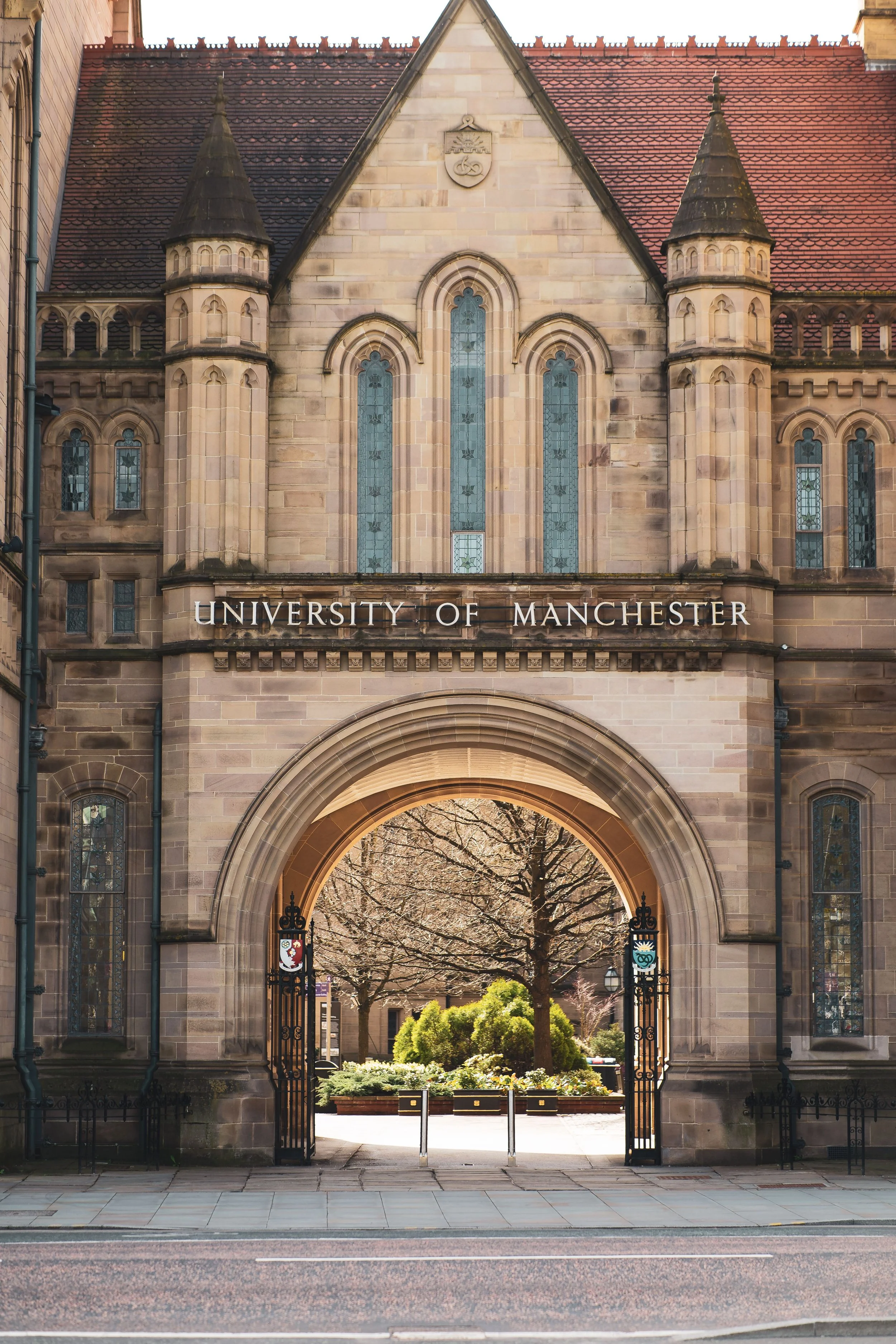
Alumni Networks Are Institutional Brands
One of the most misunderstood aspects of alumni engagement is the assumption that it is an administrative function. It is not. Alumni networks, whether in education or corporate environments, are brands.
Every alumni system carries an identity, a reputation, a culture, a narrative, and a promise. Like any brand, it requires positioning, storytelling, audience development, content strategy, and relationship architecture. These are not administrative tasks. They are disciplines rooted in brand building and ecosystem design.
This is where Universal Admedia operates. For nearly two decades, we have helped organizations define identity, clarify positioning, and build meaningful engagement systems across audiences. Increasingly, that work extends to both universities and corporations seeking to activate their alumni not as passive communities, but as strategic economic assets.
Because people do not build relationships with institutions. They build relationships with stories.
From Alumni Lists to Living Ecosystems
The future of alumni engagement belongs to institutions willing to move beyond static membership models. Instead of treating alumni as a database to be contacted, what if they were treated as a network to be activated?
What if alumni communities became platforms for collaboration rather than archives of past affiliation? What if university alumni and corporate alumni were intentionally connected to build companies, invest in ventures, and solve industry problems together? What if alumni podcasts became continuous platforms for thought leadership, where ideas circulate beyond annual events and into daily discourse?
What if alumni networks became engines of innovation, capital flow, and economic development?
This is not theoretical. It is already emerging across the ecosystems we support. Alumni are discovering clients, forming partnerships, launching ventures, mentoring future leaders, and investing in one another, not because of traditional events, but because the system itself was redesigned to support continuous engagement.
The difference between a list and an ecosystem is not scale. It is intention.
The Creator Economy Meets Institutional Alumni Networks
We are currently living through a fundamental shift in how influence and opportunity are created. The creator economy has transformed individuals into publishers, educators, and community builders. Yet most alumni systems continue to communicate as though newsletters and annual updates remain sufficient.
The future belongs to institutions that build continuous content ecosystems. Podcasts that feature alumni founders and executives. Video series that highlight innovation across industries. Founder spotlights, mentorship conversations, investment showcases, and cross-border industry discussions that keep alumni engaged throughout the year rather than once a season.
Content transforms passive databases into living communities. It sustains engagement between events and across geographies. Most importantly, it reinforces belonging in a way that is active rather than symbolic.

A New Role for Institutional Leadership
The leaders of tomorrow’s alumni ecosystems will not simply manage relationships. They will design platforms.
They will think like community architects, brand strategists, media producers, and business development leaders. Their responsibility will no longer be preservation of history, but activation of potential.
Success will no longer be measured by attendance at events. It will be measured by value created within the ecosystem.
This requires new frameworks, new partnerships, and a willingness to redefine what alumni engagement actually means in both educational and corporate contexts.
Looking at Alumni Networks with Fresh Eyes
At Universal Admedia, we believe every alumni network already contains extraordinary value. The challenge is not creation. It is activation.
Every system holds untapped expertise, unexplored partnerships, future investors, future clients, future mentors, and future collaborators. The opportunity already exists. What is missing is the mechanism to unlock it.
Sometimes all that is required is a different lens, one that sees alumni not as a mailing list or legacy obligation, but as a strategic ecosystem capable of generating innovation, opportunity, and measurable institutional value.
After eighteen years of building brands and working across both educational and corporate institutions in Africa and the United States, we have come to one conclusion. The future of alumni engagement will not be defined by larger events or larger databases. It will be defined by deeper activation of existing networks, stronger relationships, and intentional ecosystem design.
When institutions begin to see alumni as interconnected systems rather than static communities, everything changes.